units:4th_wisconsin_infantry
Differences
This shows you the differences between two versions of the page.
| Both sides previous revisionPrevious revisionNext revision | Previous revision | ||
| units:4th_wisconsin_infantry [2019/03/06 16:11] – admin | units:4th_wisconsin_infantry [2026/01/21 16:17] (current) – external edit 127.0.0.1 | ||
|---|---|---|---|
| Line 1: | Line 1: | ||
| + | ====== The 4th Wisconsin Infantry in Howard County ====== | ||
| + | |||
| + | Service at Relay House, 7/ | ||
| + | |||
| + | [[4th Wisconsin Primary Sources|Primary Sources]]\\ | ||
| + | [[4th Wisconsin Secondary Sources|Archival and Secondary Sources]]\\ | ||
| + | |||
| + | |||
| The 4th Wisconsin Infantry regiment, comprising just over 1,000 men, mustered into service on July 2, 1861 at Camp Utley in Racine, Wisconsin. The unit was comprised of ten companies recruited from the counties of Calumet, Columbia, Fond du Lac, Jefferson, Monroe, Oconto, Sheboygan, St. Croix, and Walworth. These companies had colorful names such as the " | The 4th Wisconsin Infantry regiment, comprising just over 1,000 men, mustered into service on July 2, 1861 at Camp Utley in Racine, Wisconsin. The unit was comprised of ten companies recruited from the counties of Calumet, Columbia, Fond du Lac, Jefferson, Monroe, Oconto, Sheboygan, St. Croix, and Walworth. These companies had colorful names such as the " | ||
| From Racine they journeyed by train via Chicago, Toledo, Cleveland, Buffalo, Corning, NY, Elmira, NY, Williamsport, | From Racine they journeyed by train via Chicago, Toledo, Cleveland, Buffalo, Corning, NY, Elmira, NY, Williamsport, | ||
| - | UJpon reaching Baltimore on July 23, they marched through the city with muskets loaded, but unlike the 6th Massachusetts just a few months earlier, encountered no opposition in that divided city. They camped at Mount Clare, on the outskirts of Baltimore. Mount Clare was an ironic camping location for the 4th, as it was built by Charles Carroll (a distant relative of the Declaration signer), | + | Upon reaching Baltimore on July 23, they marched through the city with muskets loaded, but unlike the 6th Massachusetts just a few months earlier, encountered no opposition in that divided city. They camped at Mount Clare, on the outskirts of Baltimore. Mount Clare was an ironic camping location for the 4th, as it was built by the same man who laid the first stone in the building of the Baltimore and Ohio Railroad in 1828. The 4th was destined to spend the next three months guarding this same railroad. |
| "HIGH PRIVATE", | "HIGH PRIVATE", | ||
| Line 10: | Line 18: | ||
| "We now have to be very careful of what we eat and drink, for the traitors here, as everywhere, hesitate not to poison the soldiers. Several of the men connected with other regiments here, died yesterday from the effects of poisoned food. I stepped into a Coffee House this morning and called for a lemonade with a " | "We now have to be very careful of what we eat and drink, for the traitors here, as everywhere, hesitate not to poison the soldiers. Several of the men connected with other regiments here, died yesterday from the effects of poisoned food. I stepped into a Coffee House this morning and called for a lemonade with a " | ||
| - | Almost immediately the 4th was split up into several contingents to guard military and strategic locations. Two companies were sent to Pikesville to guard the arsenal there, while three more were sent to the Relay House, some 8 miles out of town and the junction of the Baltimore and Ohio Railroad and the Baltimore and Washington Branch Railroad. The men were to become intimately familiar with the Relay House and its environs. | + | Almost immediately the 4th was split up into several contingents to guard military and other strategic locations. Two companies were sent to Pikesville to guard the arsenal there, while three more were sent to the Relay House, some 8 miles out of town and the junction of the Baltimore and Ohio Railroad and the Baltimore and Washington Branch Railroad. The men were to become intimately familiar with the Relay House and its environs. |
| Charlie Allyn, a member of the Regimental Band, wrote to the //Hudson North Star// on July 28, from Camp Dix in Baltimore, describing the warm weather and sleeping on the ground with rubber blankets "to keep the dampness off". He went on to say "We have plenty to eat, and that which is good. We have bean or rice soup once a day, coffee twice a day, and fresh beef occasionally." | Charlie Allyn, a member of the Regimental Band, wrote to the //Hudson North Star// on July 28, from Camp Dix in Baltimore, describing the warm weather and sleeping on the ground with rubber blankets "to keep the dampness off". He went on to say "We have plenty to eat, and that which is good. We have bean or rice soup once a day, coffee twice a day, and fresh beef occasionally." | ||
| The next day the unit moved to the newly named Camp Randall, near the Relay House (present day Elkridge, MD.) Another correspondent back home, under the nom-de-plume " | The next day the unit moved to the newly named Camp Randall, near the Relay House (present day Elkridge, MD.) Another correspondent back home, under the nom-de-plume " | ||
| + | |||
| + | |||
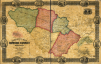
| + | {{ : | ||
| + | ''" | ||
| + | Wisconsin Historical Society'' | ||
| + | |||
| HIGH PRIVATE, again writing to the //Sheboygan Journal// described the location: | HIGH PRIVATE, again writing to the //Sheboygan Journal// described the location: | ||
| Line 22: | Line 36: | ||
| The duties of the 4th Wisconsin involved breaking the unit up into small contingents of 8-10 men and stationing them at all strategic locations along the railroad; intersections, | The duties of the 4th Wisconsin involved breaking the unit up into small contingents of 8-10 men and stationing them at all strategic locations along the railroad; intersections, | ||
| - | "I will explain the method of scouting with a picket...We...marched three miles and then scattered all over the country. I then took my post with L. Carlton - two are allowed to go together. We went all over the space of six or eight miles, when we sat down to rest for a little time, it being about 1 o' | + | "I will explain the method of scouting with a picket...We...marched three miles and then scattered all over the country. I then took my post with L. Carlton - two are allowed to go together. We went all over the space of six or eight miles, when we sat down to rest for a little time, it being about 1 o' |
| Norton' | Norton' | ||
| Line 58: | Line 72: | ||
| By mid-October typhoid was raging through the camp. Forty-seven were sick in the hospital and several deaths were reported. Twenty-five men were sick in Company C. | By mid-October typhoid was raging through the camp. Forty-seven were sick in the hospital and several deaths were reported. Twenty-five men were sick in Company C. | ||
| - | Orders for the regiment to move were received the first week in November. The 10th Maine Infantry was coming to take their place at Relay House, for their own extended stay guarding the railroad. The regiment was paid again, with privates receiving $26. At 10 a.m. on the 4th of September the 4th Wisconsin left the Relay House and proceeded to Baltimore, and thence to an expedition on the Lower Eastern Shore of Maryland. They would return to Baltimore briefly, before | + | Orders for the regiment to move were received the first week in November. The 10th Maine Infantry was coming to take their place at Relay House, for their own extended stay guarding the railroad. The regiment was paid again, with privates receiving $26. At 10 a.m. on the 4th of September the 4th Wisconsin left the Relay House and proceeded to Baltimore, and thence to an expedition on the Lower Eastern Shore of Maryland. They would return to Baltimore briefly, before |
| Line 72: | Line 86: | ||
| Sheboygan County Volunteers\\ | Sheboygan County Volunteers\\ | ||
| Whitewater Light Infantry\\ | Whitewater Light Infantry\\ | ||
| - | |||
| - | <figure label> | ||
| - | {{:{{ : | ||
| - | < | ||
| - | </ | ||
| - | |||
| - | <figure label> | ||
| - | {{:{{ : | ||
| - | < | ||
| - | </ | ||
| - | |||
| - | <figure label> | ||
| - | {{:{{ : | ||
| - | < | ||
| - | </ | ||
| - | |||
| - | <figure label> | ||
| - | {{:{{ : | ||
| - | < | ||
| - | </ | ||
| - | |||
| - | <figure label> | ||
| - | {{:{{ : | ||
| - | < | ||
| - | </ | ||
| - | |||
| - | <figure label> | ||
| - | {{:{{ : | ||
| - | < | ||
| - | </ | ||
| - | |||
| - | <figure label> | ||
| - | {{:{{ : | ||
| - | < | ||
| - | </ | ||
| - | |||
| - | <figure label> | ||
| - | {{:{{ : | ||
| - | < | ||
| - | </ | ||
| - | |||
| - | <figure label> | ||
| - | {{:{{ : | ||
| - | < | ||
| - | </ | ||
| - | |||
| - | <figure label> | ||
| - | {{:{{ : | ||
| - | < | ||
| - | </ | ||
| - | |||
| - | <figure label> | ||
| - | {{:{{ : | ||
| - | < | ||
| - | </ | ||
| - | |||
| - | <figure label> | ||
| - | {{:{{ : | ||
| - | < | ||
| - | </ | ||
| - | |||
| - | <figure label> | ||
| - | {{:{{ : | ||
| - | < | ||
| - | </ | ||
| - | |||
| - | <figure label> | ||
| - | {{:{{ : | ||
| - | < | ||
| - | </ | ||
| - | |||
| - | <figure label> | ||
| - | {{:{{ : | ||
| - | < | ||
| - | </ | ||
| - | |||
| - | <figure label> | ||
| - | {{:{{ : | ||
| - | < | ||
| - | </ | ||
| - | |||
| - | <figure label> | ||
| - | {{:{{ : | ||
| - | < | ||
| - | </ | ||
| - | |||
| - | <figure label> | ||
| - | {{:{{ : | ||
| - | < | ||
| - | </ | ||
| - | |||
| - | <figure label> | ||
| - | {{:{{ : | ||
| - | < | ||
| - | </ | ||
| - | |||
| - | <figure label> | ||
| - | {{:{{ : | ||
| - | < | ||
| - | </ | ||
| - | |||
| - | <figure label> | ||
| - | {{:{{ : | ||
| - | < | ||
| - | </ | ||
| - | |||
| - | <figure label> | ||
| - | {{:{{ : | ||
| - | < | ||
| - | </ | ||
| - | |||
| - | <figure label> | ||
| - | {{:{{ : | ||
| - | < | ||
| - | </ | ||
| - | |||
| - | <figure label> | ||
| - | {{:{{ : | ||
| - | < | ||
| - | </ | ||
| - | |||
| - | <figure label> | ||
| - | {{:{{ : | ||
| - | < | ||
| - | </ | ||
| - | |||
| - | <figure label> | ||
| - | {{:{{ : | ||
| - | < | ||
| - | </ | ||
| - | |||
| - | <figure label> | ||
| - | {{:{{ : | ||
| - | < | ||
| - | </ | ||
| - | |||
| - | <figure label> | ||
| - | {{:{{ : | ||
| - | < | ||
| - | </ | ||
| - | |||
| - | <figure label> | ||
| - | {{:{{ : | ||
| - | < | ||
| - | </ | ||
| - | |||
| - | <figure label> | ||
| - | {{:{{ : | ||
| - | < | ||
| - | </ | ||
| - | |||
| - | <figure label> | ||
| - | {{:{{ : | ||
| - | < | ||
| - | </ | ||
| - | |||
| - | <figure label> | ||
| - | {{:{{ : | ||
| - | < | ||
| - | </ | ||
| - | |||
| - | <figure label> | ||
| - | {{:{{ : | ||
| - | < | ||
| - | </ | ||
| - | <figure label> | ||
| - | {{:{{ : | ||
| - | < | ||
| - | </ | ||
| - | |||
| - | <figure label> | ||
| - | {{:{{ : | ||
| - | < | ||
| - | </ | ||
| - | |||
| - | <figure label> | ||
| - | {{:{{ : | ||
| - | < | ||
| - | </ | ||
| - | |||
| - | <figure label> | ||
| - | {{:{{ : | ||
| - | < | ||
| - | </ | ||
| - | |||
| - | <figure label> | ||
| - | {{:{{ : | ||
| - | < | ||
| - | </ | ||
| - | |||
| - | <figure label> | ||
| - | {{:{{ : | ||
| - | < | ||
| - | </ | ||
| - | |||
| - | <figure label> | ||
| - | {{:{{ : | ||
| - | < | ||
| - | </ | ||
| - | |||
| - | <figure label> | ||
| - | {{:{{ : | ||
| - | < | ||
| - | </ | ||
| - | |||
| - | <figure label> | ||
| - | {{:{{ : | ||
| - | < | ||
| - | </ | ||
| - | |||
| - | <figure label> | ||
| - | {{:{{ : | ||
| - | < | ||
| - | </ | ||
| - | |||
| - | <figure label> | ||
| - | {{:{{ : | ||
| - | < | ||
| - | </ | ||
| - | |||
| - | <figure label> | ||
| - | {{:{{ : | ||
| - | < | ||
| - | </ | ||
| - | |||
| - | <figure label> | ||
| - | {{:{{ : | ||
| - | < | ||
| - | </ | ||
| - | |||
| - | <figure label> | ||
| - | {{:{{ : | ||
| - | < | ||
| - | </ | ||
| - | |||
| - | <figure label> | ||
| - | {{:{{ : | ||
| - | < | ||
| - | </ | ||
| - | |||
| - | <figure label> | ||
| - | {{:{{ : | ||
| - | < | ||
| - | </ | ||
| - | |||
| - | <figure label> | ||
| - | {{:{{ : | ||
| - | < | ||
| - | </ | ||
| - | |||
| - | <figure label> | ||
| - | {{:{{ : | ||
| - | < | ||
| - | </ | ||
| - | |||
| - | <figure label> | ||
| - | {{:{{ : | ||
| - | < | ||
| - | </ | ||
| - | |||
| - | <figure label> | ||
| - | {{:{{ : | ||
| - | < | ||
| - | </ | ||
| - | |||
| - | <figure label> | ||
| - | {{:{{ : | ||
| - | < | ||
| - | </ | ||
| - | |||
| - | <figure label> | ||
| - | {{:{{ : | ||
| - | < | ||
| - | </ | ||
| - | |||
| - | <figure label> | ||
| - | {{:{{ : | ||
| - | < | ||
| - | </ | ||
| - | |||
| - | <figure label> | ||
| - | {{:{{ : | ||
| - | < | ||
| - | </ | ||
| - | |||
| - | <figure label> | ||
| - | {{:{{ : | ||
| - | < | ||
| - | </ | ||
| - | |||
| - | <figure label> | ||
| - | {{:{{ : | ||
| - | < | ||
| - | </ | ||
| - | |||
| - | <figure label> | ||
| - | {{:{{ : | ||
| - | < | ||
| - | </ | ||
| - | |||
| - | <figure label> | ||
| - | {{:{{ : | ||
| - | < | ||
| - | </ | ||
| - | |||
| - | <figure label> | ||
| - | {{:{{ : | ||
| - | < | ||
| - | </ | ||
| - | |||
| - | <figure label> | ||
| - | {{:{{ : | ||
| - | < | ||
| - | </ | ||
| - | |||
| - | <figure label> | ||
| - | {{:{{ : | ||
| - | < | ||
| - | </ | ||
| - | |||
| - | <figure label> | ||
| - | {{:{{ : | ||
| - | < | ||
| - | </ | ||
units/4th_wisconsin_infantry.1551888667.txt.gz · Last modified: (external edit)