start
Differences
This shows you the differences between two versions of the page.
| start [2019/06/08 19:06] – admin | start [2026/01/21 16:58] (current) – external edit 127.0.0.1 | ||
|---|---|---|---|
| Line 1: | Line 1: | ||
| - | < | + | ====== Howard County, MD, 1861–1865 ====== |
| - | Welcome to Howard County, MD in the Civil War. This site is an attempt to document the activity of every Civil War unit that spent more that a few days in Howard County during the War. Roughly 60 units spent between three days and eighteen months guarding the railroad in Howard County. Please contact < | ||
| + | Welcome to Howard County, MD in the Civil War. This site documents the activity of every Civil War unit that spent more that a few days in Howard County during the War. Roughly 60 units spent between three days and eighteen months guarding the railroad in Howard County. Please contact < | ||
| - | < | + | |
| + | ====== Civil War Activity in Howard County, MD, 1861-1865 | ||
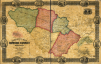
| Howard County in 1861 was a peaceful, sleepy place. With a population of around 13,000 people, including 2,800 slaves and 1,300 free blacks, its largest town was Ellicott' | Howard County in 1861 was a peaceful, sleepy place. With a population of around 13,000 people, including 2,800 slaves and 1,300 free blacks, its largest town was Ellicott' | ||
| - | {{ : | + | {{ : |
| + | |||
| + | //Philadelphia Inquirer September 13, 1862// | ||
| The Battle of Fort Sumter on April 12, 1861 began the Civil War. President Lincoln called for 90 day militia units to suppress the rebellion. On April 17, the 6th Massachusetts Militia, responding to Lincoln' | The Battle of Fort Sumter on April 12, 1861 began the Civil War. President Lincoln called for 90 day militia units to suppress the rebellion. On April 17, the 6th Massachusetts Militia, responding to Lincoln' | ||
| Line 15: | Line 18: | ||
| Immediately after the Baltimore Riots, the Howard Dragoons - a cavalry company of roughly 60 men commanded by George R. Gaither, left Howard County and reported to Baltimore to patrol the city and restore order. However, upon being asked to take the oath to the United States, Gaither and most of his men rode to Virginia and enlisted in the 1st Virginia Cavalry, C. S. A. Gaither was a slave owner and Southern sympathizer. Three of his slaves eventually enlisted in the United States Colored Troops; one died in combat. | Immediately after the Baltimore Riots, the Howard Dragoons - a cavalry company of roughly 60 men commanded by George R. Gaither, left Howard County and reported to Baltimore to patrol the city and restore order. However, upon being asked to take the oath to the United States, Gaither and most of his men rode to Virginia and enlisted in the 1st Virginia Cavalry, C. S. A. Gaither was a slave owner and Southern sympathizer. Three of his slaves eventually enlisted in the United States Colored Troops; one died in combat. | ||
| - | Throughout the War, detachments of over 50 units served at the various strategic locations in Howard County, guarding bridges, roads, and culverts along the rail lines. Relay House, in Elkridge, and Annapolis Junction, eight miles further south, served as mustering and training locations for locally recruited units later in the War. | + | Throughout the War, detachments of over 65 units served at the various strategic locations in Howard County, guarding bridges, roads, and culverts along the rail lines. Relay House, in Elkridge, and Annapolis Junction, eight miles further south, served as mustering and training locations for locally recruited units later in the War. |
| The following orders from Colonel William B. Hayward of the 60th New York State Volunteers summed up the duties of the newly enlisted men: | The following orders from Colonel William B. Hayward of the 60th New York State Volunteers summed up the duties of the newly enlisted men: | ||
| Line 139: | Line 142: | ||
| The next day, Stuart' | The next day, Stuart' | ||
| - | Activity in Howard County continued as described for the remainder of 1863 and 1864. During Confederate General Jubal Early' | + | Activity in Howard County continued as described for the remainder of 1863 and 1864. During Confederate General Jubal Early' |
| - | The end of the War in May of 1865 led to the disbanding and shipping home of Northern troops stationed in Maryland. Barracks and unit buildings built in Annapolis Junction and the Relay House were sold off, and the county soon returned to normal life. Many citizens of the area, previously secessionist in leaning, learned not to discuss the War in public. | + | The end of the War in May of 1865 led to the disbanding and shipping home of Northern troops stationed in Maryland. Barracks and unit buildings built in Annapolis Junction and the Relay House were sold off, and the county soon returned to normal life. Many citizens of the area, previously secessionist in leaning, learned not to discuss the War in public. |
start.1560020798.txt.gz · Last modified: by admin